


SERVICES
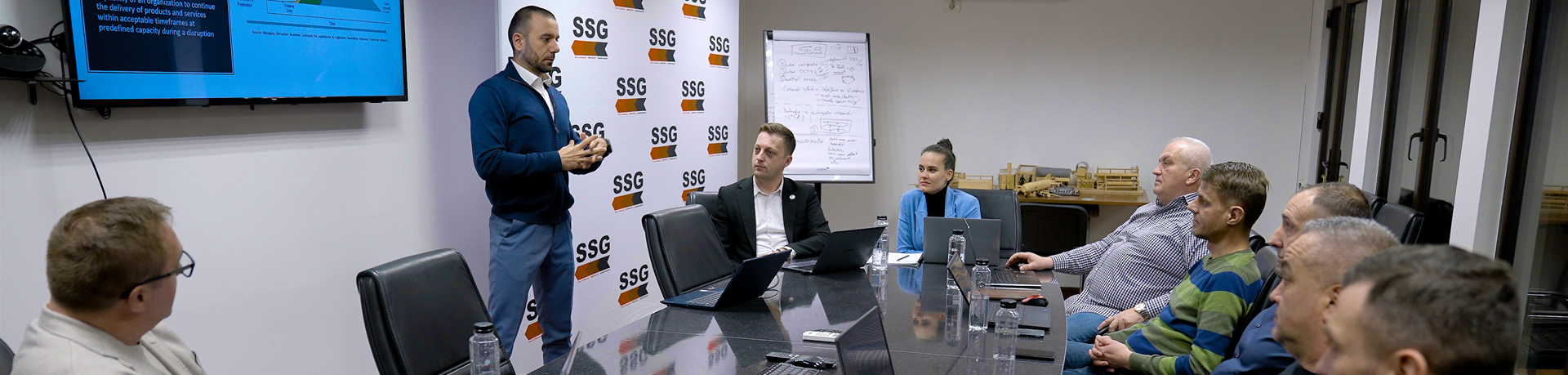
CRISIS MANAGEMENT

• Risk assessment and analysis: Identifying crisis scenarios and assessing their likelihood and impact on your organization is crucial for effective crisis management.
• Planning Crisis Management: Developing crisis management plans that describe procedures, roles, and communication strategies is essential to facilitate a prompt and effective response.
• Training exercises: Training the personnel through realistic scenarios and simulations to ensure that designated teams can manage crisis situations.
• Communication strategy in case of crisis: Establishing clear protocols for the internal and external communication to maintain transparency and minimize disinformation in times of crisis.
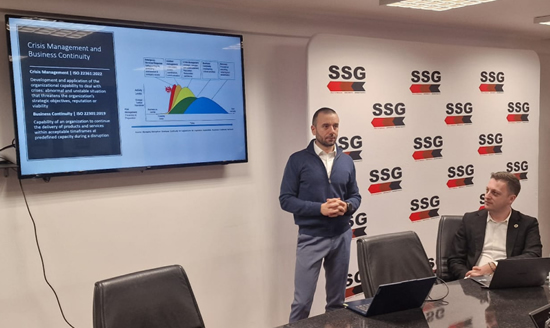
BUSINESS CONTINUITY
• Analysis of business impact (BIA): Identification of business functions and processes and the dependencies between different critical activities in order to develop continuity strategies.
• Planning the continuity of activity (BCP): Developing plans to ensure continuity of operations in the event of disruptions, including redundancy solutions and resource allocation strategies.
• Testing and performing exercises: Facilitating regular exercises to validate Business Continuity Plans helps identify weaknesses and improve response capabilities.
EMERGENCY RESPONSE
• Emergency Response Planning: Elaborating customized Emergency Response Plans for various types of incidents, including natural disasters, accidents, and security threats, is crucial for preparedness and effective response.
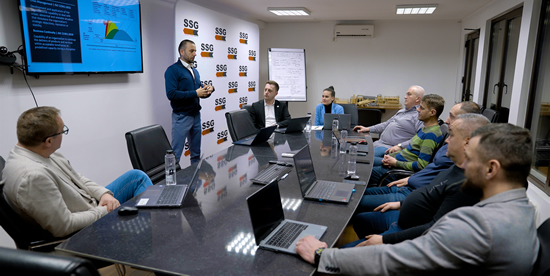
• Training and exercises: Training staff on emergency response procedures and conducting exercises are essential to ensure preparedness and efficient coordination during emergencies.
• Integration with crisis management and business continuity plans: Aligning emergency response plans with broader crisis management and business continuity strategies for seamless coordination and response.
TRAVEL SECURITY
• Assessment of travel risks: Analysis and evaluation of risks associated with business travel and providing assistance with mitigation strategies.
• Training Employees: Training and instructing travelers so they acquire the knowledge and skills necessary to stay safe while traveling in high-risk countries.
• 24/7 Travel assistance: Providing round-the-clock assistance to employees facing emergencies or security threats during their travels.

PROTECTIVE INTELLIGENCE

• Monitoring and analysis of threats: Continuous monitoring of threats and global trends to identify risks to your organization, including geopolitical risks.
• Operational reports: Providing timely briefings to support the decision-making process regarding the management of strategic security risks.
• Assessment of vulnerabilities: Assessing vulnerabilities within your organization and developing strategies to prevent their exploitation.
SECURITY RISK MANAGEMENT
• Risk identification and assessment: Identification and assessment of security risks specific to your organization, considering both internal and external factors.

AUDIT & DUE DILIGENCE

• Audits and security assessments: Conducting security audits to assess existing security measures and identify areas for improvement.
• Due Diligence: Conduct investigations to assess potential risks associated with business partnerships, mergers or acquisitions.
• Conformity assessments: Ensure compliance with international safety and security standards, regulations and industry best practices.